Pillow Supplier for Amazon Sellers: FBA Prep, Barcodes, Compression Packing and Reorder Cycles
How Amazon sellers can brief a pillow supplier for marketplace-ready shipments: barcode and labelling checks, compression packing decisions made on the approved sample, and reorder cycles that keep a listing consistent from the first test order to repeat stock.
Quick answer for buyers
An Amazon-ready pillow order is decided before production, not at the warehouse door. Confirm the barcode and label placement, the polybag and carton marks, and the compression packing method on the approved sample — then freeze that specification for reorders. At Noryvia Home, ready catalog styles can be ordered from 1 piece for a listing test, a new design starts with 1 custom sample, and production after approval starts from 10 pieces, so a seller can prove a listing before scaling it.
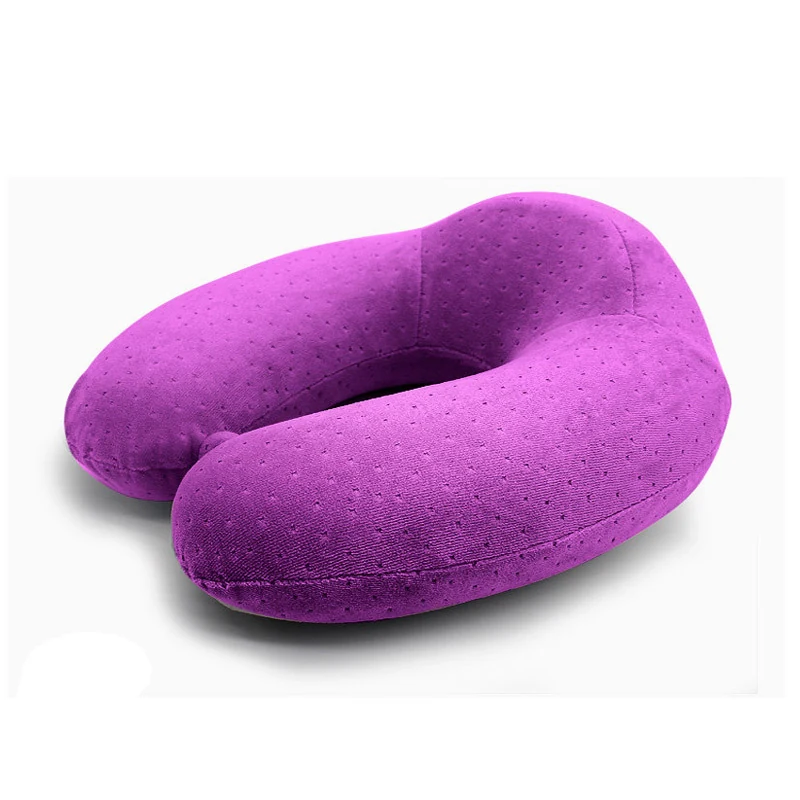
Why marketplace sourcing fails after the sample looks good
Many Amazon sellers judge a pillow supplier on the sample alone: the fabric feels right, the filling is comfortable, the colour matches the listing photos. Then the first bulk shipment arrives and the problems are not about comfort at all. A barcode sits under a fold where a scanner cannot read it cleanly. A polybag has no label the receiving team expects. A compressed pillow recovers slowly and the first buyers report a flat product. A reorder arrives in a slightly different shade because nobody wrote the approved specification down.
None of these are manufacturing mysteries. They are briefing gaps. The sample proved the product; it never proved the shipment. A supplier brief for marketplace selling therefore has two parts: the product specification (style, size, colour, fabric, filling, logo method) and the shipment specification (barcode, labels, polybag, compression method, carton marks, insert card). Both belong in writing before production, and both should be checked against the same approved sample that the buyer holds as a reference unit.
The other common failure is ordering too much, too early. A seller commits to a large run of an untested design, then discovers the listing photographs badly or the firmness draws returns. Starting small is not a lack of ambition; it is how a seller learns which design deserves a reorder.
FBA prep: what to settle before production
Fulfilment prep is a checklist, not a favour to ask for after the cartons are sealed. Marketplace receiving requirements change, so treat the marketplace's current prep guidance as the authority and use the supplier brief to confirm each item against it. The questions below are the ones to answer in writing, with the approved sample, before any production run:
Unit preparation. Is each pillow individually bagged, and does the bag carry the label the receiving team needs? Is the label on the outside of the bag, flat and scannable, rather than tucked inside a fold or under a hangtag? For compressed pillows, is the label placed where it stays visible and unscuffed after compression and carton packing?
Carton preparation. What goes on the outside of each carton — product identification, quantity, and any carton mark the seller or the receiving warehouse requires? Are cartons packed so that units are not crushed at the corners and labels are not rubbed off in transit? Mixed cartons, where they are used at all, should be identified as mixed on the outside, not discovered on opening.
Listing consistency. Does the shipped unit match the listing it will be sold under — same size, colour, filling feel, packaging and included items? If the listing promises an insert card, a storage bag or a particular cover, that item must be part of the production specification, not an afterthought added at the warehouse.
Ask the supplier to confirm each point against the approved sample with a short written note. Our broader Amazon seller sourcing checklist covers the wider comparison points — product range, packaging, images and quote details — while this guide focuses on the prep and reorder mechanics.
Barcodes and labels: small marks, large consequences
Barcode problems are the most avoidable cause of receiving delays, because they are entirely visible before shipment. The rule is simple: one scannable code per sellable unit, placed where it can be scanned without opening the bag or unfolding the product.
Start by telling the supplier which barcode system the listing will use and who supplies the codes. Some sellers use the manufacturer's existing barcode; others use a marketplace-assigned code printed as a label. Either way, the supplier needs to know before printing and packing begin, because a label printed into packaging artwork cannot be swapped as easily as a sticker applied at the end of the line. If labels are applied by hand, confirm who applies them, where on the bag they sit, and how placement is checked across the batch — not just on the first unit.
Private-label elements belong in the same conversation. Woven or printed logo labels, hangtags and insert cards are all available on small runs here, so a first production order can already arrive under the seller's own brand. But each element adds a placement decision: the logo label position, the hangtag attachment point, the insert card inside the bag. Photograph the approved sample with every label and card in place, and use that photograph as the reference for every reorder. A label that moves between batches looks like a different product to a returning buyer, even when the pillow inside is identical.
Finally, keep the barcode conversation separate from the brand conversation. The barcode exists for scanning; the logo label exists for branding. When one label tries to do both jobs, or when a brand label covers the barcode, scanning suffers. Confirm on the sample that both marks are present, legible and unobstructed, and check several units from the finished batch — not only the sample — before the cartons are sealed.
Compression packing: decide on the sample, not on the shipment
Compression packing is one of the most useful tools in pillow sourcing, and one of the easiest to get wrong. A vacuum-compressed pillow ships in a smaller carton, which helps freight planning and warehouse storage. But compression changes what the buyer first sees: a pillow that recovers slowly, or that arrives creased, reads as poor quality even when the filling itself is fine. The decision therefore belongs in the sample stage.
When you review a compressed sample, test recovery the way a buyer will. Open the bag, let the pillow expand without assistance, and note how it looks after it has fully recovered — not just in the first minute. Check the cover for lasting creases, check the seams and zipper after compression, and check whether the filling distributes evenly or clumps in one section. If the product is meant to be washed, wash the cover as the listing describes and check recovery again. These checks cost nothing at sample stage and are expensive to fix after a full shipment is compressed.
Also confirm what compression means for the rest of the shipment specification. A compressed unit needs a bag and seal that survive compression, a label that stays readable on a compressed bag, and a carton plan that protects the compressed units without crushing the labels. Pillow packaging for private-label orders and our private-label packaging checklist cover the label, hangtag, insert card and carton-mark details to confirm alongside the compression method.
Not every pillow should be compressed. Decorative throw pillows sold on their structured, full look, and some plush or character styles, may present better uncompressed. The right question is not whether compression is available, but whether it suits this design, this listing photography and this buyer's first impression. If in doubt, order the sample both ways — one compressed, one uncompressed — and compare the recovered product side by side before choosing.
Reorder cycles: keeping a listing consistent
A successful first order creates a second problem: the reorder must match the first. Marketplace listings live or die on consistency — repeat buyers, reviews and photographs all assume the product they receive is the product that was reviewed. The reorder cycle is therefore a documentation discipline as much as a purchasing routine.
Freeze the specification. After the sample is approved, the written specification — style, size, colour, fabric, filling, firmness, logo method, packaging, barcode placement, compression method and carton marks — becomes the reference for every reorder. Send the same specification with each reorder rather than re-describing the product from memory, and keep the approved sample until the reorder arrives so any question can be settled against a physical reference.
Reorder on evidence, not on hope. A sensible cycle is: test with ready stock or a first small production run, review real listing performance and buyer feedback, adjust the specification once if needed, then reorder the proven design. Because production here starts from 10 pieces after sample approval, a seller can run this cycle without carrying a warehouse of an unproven style. As a design proves itself, the same specification scales — the factory behind Noryvia Home runs 3–4 production and packaging lines with monthly output of 50,000–80,000 pillows, so growth does not require finding a new supplier and re-proving the product.
Check the reorder like the first order. Reorders deserve the same checks: fill weight and loft on several units, seam and zipper quality, label and barcode placement, compression recovery, and carton marks. Small variations creep in when a reorder is treated as routine. A short receiving check on arrival — opening more than one carton, comparing against the kept sample — catches drift before buyers do.
Plan the assortment, not just the SKU. Sellers rarely reorder one pillow in isolation. A body pillow that sells may justify a matching throw pillow or cushion cover under the same brand labels. Planning the assortment around proven specifications, with shared labels and packaging, keeps the brand coherent while each design earns its own reorder on its own evidence. Our assortment planning guide covers how to balance such a range.
What to send with your first inquiry
A supplier can only confirm FBA prep, barcodes and compression method if the inquiry contains them. Send: the catalog SKU or reference design (or your own drawing or sample); target size, colour, fabric and filling direction; the barcode system and who supplies the codes; label, hangtag and insert-card requirements; polybag and compression preferences; carton-mark requirements; destination market; and the quantity you want to test with. Our wholesale pillow RFQ template organises these points into a single request, and the sample-before-bulk guide explains what to check when the sample arrives. Cost factors — materials, filling, customisation, packaging and order quantity — are what shape any individual quotation; the quotation itself is prepared after the inquiry, once the specification is confirmed, as described in our quote request guide.
Frequently asked questions
Can I test a design before committing to a production run? Yes. Ready catalog styles can be ordered from 1 piece, so you can check the product, photograph it for a listing and test demand before any custom work. A new design starts with 1 custom sample; production begins from 10 pieces after you approve that sample.
Who supplies the barcode? That depends on the listing setup, so state it in the inquiry. Tell the supplier whether the unit will carry the manufacturer's barcode or a marketplace-assigned label, and confirm placement on the approved sample before production.
Should every pillow be compression packed? No. Compression suits many sleeping, body and travel pillows, but structured decorative styles may present better uncompressed. Decide on the sample by comparing recovery, creasing and first impression, and confirm the chosen method in the specification.
What should I check when a reorder arrives? Compare it with the kept approved sample: size, colour, filling loft, seam and zipper quality, label and barcode placement, compression recovery and carton marks. Check several units across more than one carton.
Can a small first order still carry my brand? Yes. Logo labels, hangtags, insert cards and retail packaging can be prepared for small runs, so a first production order can arrive shelf-ready under your own brand, with the same specification carried into reorders.
What if a design does not sell? That is what the small first order is for. A design that fails its listing test has cost a sample and a small run, not a warehouse. Keep the specification on file; a design that fails in one season or assortment may fit another, and the proven sellers are the ones to scale.
Related guides and next step
For the wider seller comparison, start with our Amazon seller sourcing checklist; for materials and filling choices, see the materials and fillings comparison; for factory capability behind the reorder scale, see our factory page. When the specification is ready, send it through the contact page with the barcode, packaging and compression points above, and the quotation will be prepared against that confirmed specification.